United States History · Chapter 26
26. Franklin Roosevelt and the New Deal, 1932-1941
The chapter examines Franklin Roosevelt’s New Deal era, detailing his rise, the immediate relief and reforms of the First New Deal—such as banking stabilization, public works, the CCC, and the NRA—and the expanded social safety net of the Second New Deal, including the WPA, Social Security, and labor legislation; it also discusses the political challenges, key advisors, and the varied impacts on different groups like African Americans, women, and Native Americans.
Learning Objectives
By the end of this chapter, you will be able to:
- Describe the events of the 1932 presidential election and identify the characteristics that made Franklin Roosevelt a desirable candidate
- Explain why Congress amended the U.S. Constitution to reduce the period of time between presidential elections and inaugurations
- Identify the key pieces of legislation included in Roosevelt’s “First New Deal”
- Assess the strengths, weaknesses, and general effectiveness of the First New Deal
- Explain Roosevelt’s overall vision for addressing the structural problems in the U.S. economy
- Identify key pieces of legislation from the Second New Deal
- Assess the entire New Deal, especially in terms of its impact on women, African Americans, and Native Americans
Introduction#
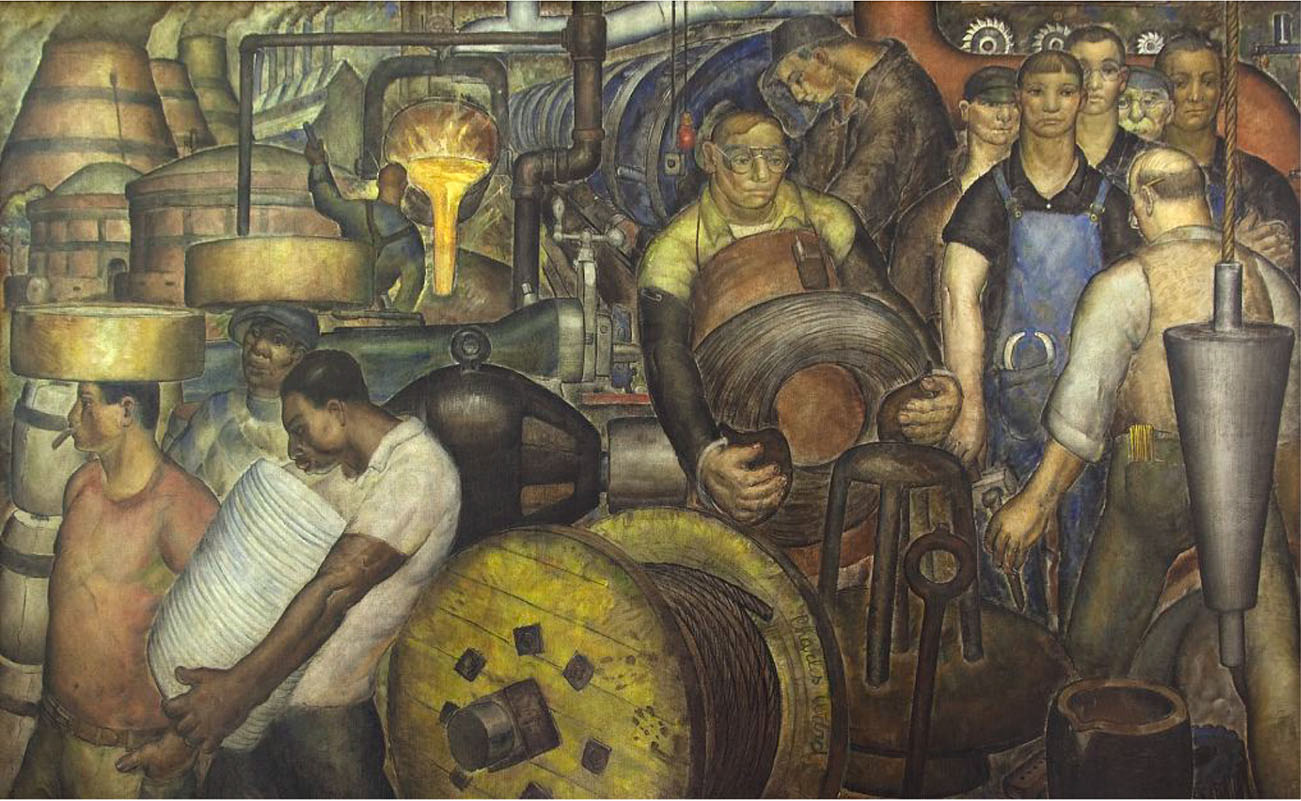
The election of President Franklin Delano Roosevelt signaled both immediate relief for the American public as well as a permanent shift in the role of the federal government in guiding the economy and providing direct assistance to the people, albeit through expensive programs that made extensive budget deficits commonplace. For many, the immediate relief was, at a minimum, psychological: Herbert Hoover was gone, and the situation could not grow worse under Roosevelt. But as his New Deal unfolded, Americans learned more about the fundamental changes their new president brought with him to the Oval Office. In the span of little more than one hundred days, the country witnessed a wave of legislation never seen before or since.
Roosevelt understood the need to “save the patient,” to borrow a medical phrase he often employed, as well as to “cure the ill.” This meant both creating jobs, through such programs as the Works Progress AdministrationA program run by Harry Hopkins that provided jobs for over eight million Americans from its inception to its closure in 1943, which provided employment to over eight million Americans (Figure 26.1), as well as reconfiguring the structure of the American economy. In pursuit of these two goals, Americans re-elected Roosevelt for three additional terms in the White House and became full partners in the reshaping of their country.