United States History · Chapter 20
20. Politics in the Gilded Age, 1870-1900
The Gilded Age (1870-1900) was marked by political corruption and ineffective leadership, as illustrated by the rise of the Populist movement. Farmers faced economic hardships due to falling prices and high tariffs, leading to the formation of organizations like the Grange and the Farmers' Alliance. The Populist Party emerged in 1891 advocating for reforms such as government control of railroads and a bimetallic monetary system. The election of 1896 saw William Jennings Bryan, supported by both the Democrats and Populists, defeat McKinley, but the Populist Party's identity diminished post-election due to economic recovery and the onset of the Spanish-American War.
Learning Objectives
By the end of this chapter, you will be able to:
- Discuss the national political scene during the Gilded Age
- Analyze why many critics considered the Gilded Age a period of ineffective national leadership
- Explain the difference between the spoils system and civil service, and discuss the importance of this issue in the period from 1872 to 1896
- Recognize the ways in which the issue of tariffs impacted different sectors of the economy in late nineteenth-century America
- Explain why Americans were split on the issue of a national gold standard versus free coinage of silver
- Explain why political patronage was a key issue for political parties in the late nineteenth century
- Understand how the economic and political climate of the day promoted the formation of the farmers’ protest movement in the latter half of the nineteenth century
- Explain how the farmers’ revolt moved from protest to politics
- Explain how the Depression of 1893 helped the Populist Party to grow in popularity in the 1890s
- Understand the forces that contributed to the Populist Party’s decline following the 1896 presidential election
Introduction#
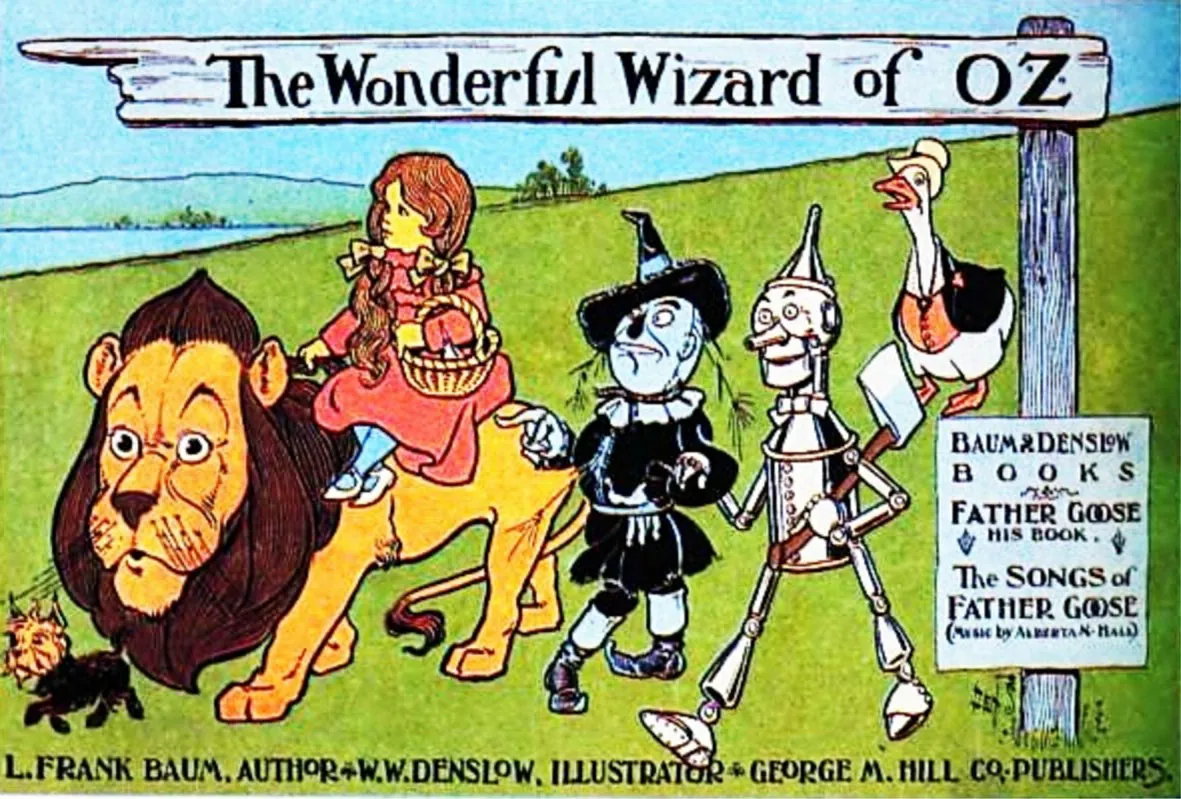
Figure 20.1 L. Frank Baum's story of a Kansas girl and the magical land of Oz has become a classic of both film and screen, but it may have originated in part as an allegory of late nineteenth-century politics and the rise of the Populist movement.
L. Frank Baum was a journalist who rose to prominence at the end of the nineteenth century. Baum's most famous story, The Wizard of Oz (Figure 20.1), was published in 1900, but “Oz” first came into being years earlier, when he told a story to a group of schoolchildren visiting his newspaper office in South Dakota. He made up a tale of a wonderful land, and, searching for a name, he allegedly glanced down at his file cabinet, where the bottom drawer was labeled “O-Z.” Thus was born the world of Oz, where a girl from struggling Kansas hoped to get help from a “wonderful wizard” who proved to be a fraud. Since then, many have speculated that the story reflected Baum's political sympathies for the Populist Partya political party formed in 1890 that sought to represent the rights of primarily farmers but eventually all workers in regional and federal elections, which galvanized midwestern and southern farmers' demands for federal reform. Whether he intended the story to act as an allegory for the plight of farmers and workers in late nineteenth-century America, or whether he simply wanted to write an “American fairy tale” set in the heartland, Populists looked for answers much like Dorothy did. And the government in Washington proved to be meek rather than magical.